Mara Beck · 20 October 2026
Charting Creator Resource Allocation Patterns Across Multiple Service Provider Switches in Digital Publishing
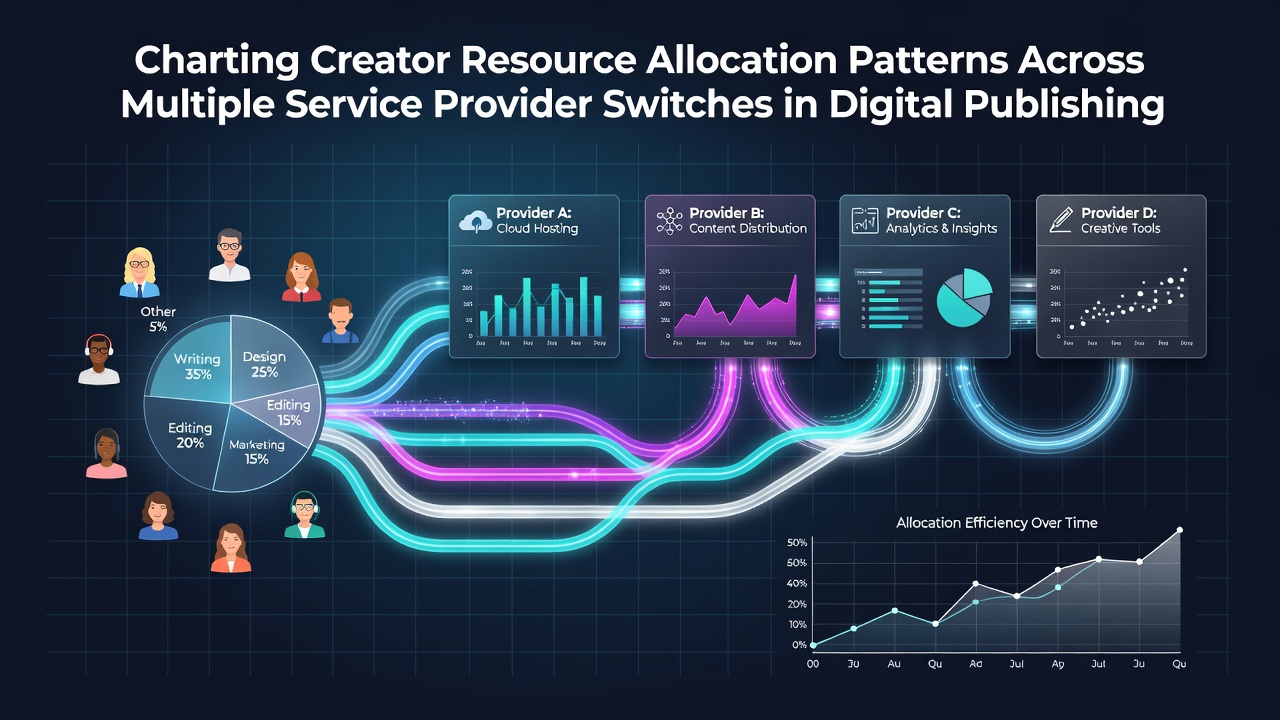
Digital creators managing multiple service provider transitions in publishing have developed distinct patterns for distributing time, budget, and technical effort across platforms, according to industry tracking data compiled through late 2026. These allocation strategies emerge when publishers move between hosting services, content management systems, and distribution networks, with resources often redirected toward migration testing, audience retention tools, and compliance updates rather than new content production. Observers note that such patterns intensify during periods of infrastructure change, where creators balance immediate operational needs against longer-term platform stability.
Documented Allocation Trends in Platform Transitions
Research from multiple publishing networks indicates that creators typically dedicate 35 to 45 percent of their operational budgets to service migration phases when switching providers, with the remainder split between content continuity measures and analytics recalibration. Data compiled up to October 2026 shows a consistent emphasis on redundancy planning, where resources flow first toward backup verification and then toward integration testing across new and legacy systems. Those tracking these movements report that independent publishers handling three or more provider switches within a single calendar year allocate additional hours to cross-platform compatibility checks, reducing the share previously reserved for audience engagement campaigns.
Patterns also surface in how creators sequence their investments. Initial resource commitments focus on domain and security configurations, followed by phased rollouts of updated metadata and distribution protocols. Figures from European digital economy reports reveal that publishers operating across EU-based infrastructure providers direct higher proportions of technical labor toward data portability compliance compared with those using North American services, reflecting regulatory differences that shape allocation priorities.
Comparative Resource Distribution Across Provider Types
Analysis of creator workflows demonstrates measurable differences when switching between specialized publishing platforms versus general cloud hosting providers. In cases involving dedicated content delivery networks, allocations lean toward bandwidth optimization and caching adjustments, while moves to integrated CMS environments draw more resources into template customization and plugin compatibility audits. A study coordinated through academic research institutions in Australia highlights that creators managing hybrid setups across both categories maintain separate tracking ledgers for each provider category, enabling clearer visibility into cumulative costs over successive transitions.
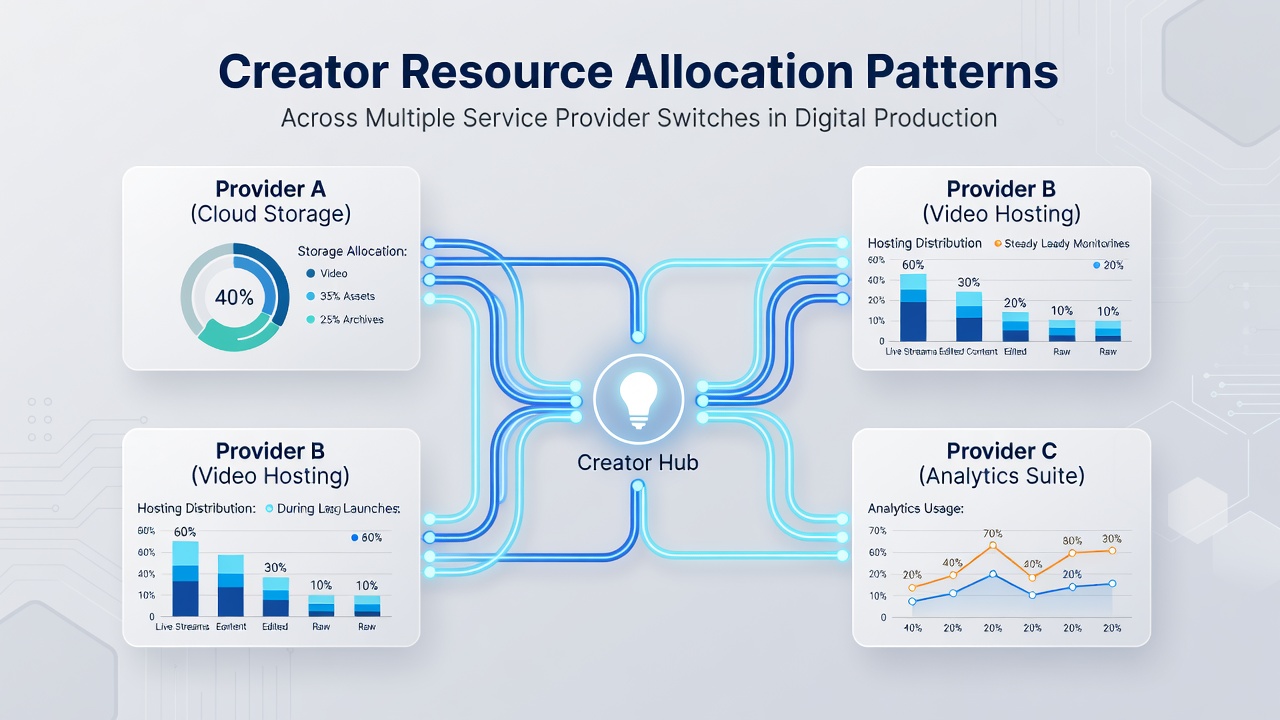
What's notable is the emergence of tiered budgeting models. Creators frequently reserve contingency pools specifically for post-migration adjustments, with allocations averaging 15 percent of total transition budgets held for unexpected synchronization issues. Canadian government statistics on digital media operations confirm similar reserve practices among publishers navigating multiple vendor relationships, particularly when audience data handoffs require additional encryption layers or format conversions.
Tracking Mechanisms and Adjustment Cycles
Publishers have adopted spreadsheet-based and dashboard-integrated tracking systems to monitor resource flows across repeated provider changes. These tools capture granular details such as hours spent on API reconfiguration and dollars directed toward temporary staffing during peak migration windows. Evidence from OECD-linked industry surveys shows that creators who review allocation logs monthly achieve tighter alignment between planned and actual expenditures, especially when operating in environments with frequent service updates.
Adjustment cycles typically follow quarterly reviews, where past transition data informs revised estimates for upcoming switches. Observers note that this iterative approach allows creators to refine their distribution of technical versus creative labor, shifting percentages away from reactive fixes and toward proactive platform evaluation. In October 2026 updates to these tracking datasets, patterns indicated growing use of automated logging features within newer publishing tools, reducing manual oversight time by measurable margins.
Conclusion
Resource allocation patterns among digital creators navigating multiple service provider switches reflect structured responses to technical, regulatory, and operational variables. Data through October 2026 illustrates consistent emphasis on migration preparation, compatibility verification, and contingency reserves, with variations tied to provider type and geographic regulatory context. Continued documentation of these patterns supports more precise planning for future infrastructure adjustments in the publishing sector.